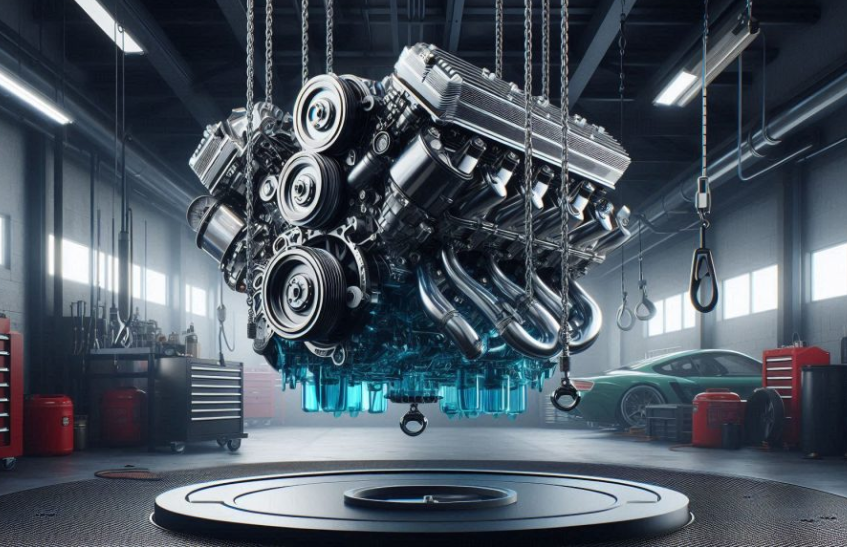
Enhancing Industrial Efficiency Through Advanced Oil Treatment
Importance of Oil Management in Industrial Settings
Industrial machinery heavily depends on high-quality oils for lubrication, cooling, and hydraulic operations. Over time, these oils accumulate contaminants such as metal particles, dust, and water, which can compromise equipment performance and increase maintenance costs. Maintaining oil purity is essential for ensuring operational efficiency, reducing equipment wear, and preventing unplanned downtime.
Industrial oil purification systems provide a structured approach to keeping oils clean and stable. By removing impurities, industries can protect machinery, improve productivity, and reduce long-term operational expenses.
Benefits of Industrial Oil Purification
Industrial oil purification offers numerous advantages for companies seeking to optimize operations:
- Extended machinery lifespan: Removing contaminants reduces friction and mechanical wear, prolonging equipment life.
- Improved operational reliability: Clean oil minimizes the risk of unexpected breakdowns, ensuring smoother production processes.
- Reduced maintenance costs: Less frequent oil replacement and lower repair requirements save significant operational funds.
- Environmental sustainability: Purified oil can be reused, reducing industrial waste and contributing to greener operations.
By incorporating industrial oil purification into routine maintenance schedules, industries can achieve more consistent performance while lowering overall operating costs.
Key Features of Modern Oil Purification Systems
Modern industrial oil purification systems are equipped with advanced features designed to maximize efficiency and reliability:
- Multi-stage filtration: Combining mechanical, chemical, and centrifugal processes to target a wide range of contaminants.
- Automated monitoring: Sensors and control systems allow real-time tracking of oil quality, enabling proactive maintenance.
- Energy efficiency: Optimized systems reduce power consumption while maintaining high purification performance.
- Scalability: Systems can be adapted for small workshops or large industrial plants, providing operational flexibility.
These features make industrial oil purification systems critical for maintaining machinery performance and minimizing operational disruptions.
Types of Industrial Oil Purification Systems
Different industrial applications require specific types of oil purification systems:
- Centrifugal purifiers: Utilize centrifugal force to separate solids and water from oil, suitable for large-scale operations.
- Vacuum dehydration units: Remove moisture and dissolved gases, ideal for hydraulic and turbine oils.
- Filter-based purifiers: Use mechanical filters to trap solid impurities and maintain oil clarity across a wide range of industrial applications.
Selecting the right system depends on factors industrial oil purification such as oil volume, contaminant type, and operational requirements.
See also: Rejuvenating Skin with Modern Technology
Advantages Beyond Machinery Protection
The benefits of industrial oil purification extend beyond machinery protection:
- Operational cost efficiency: Cleaner oil reduces energy consumption and maintenance expenses.
- Environmental responsibility: Reusing oil minimizes waste disposal, supporting sustainable industrial practices.
- Enhanced safety: Clean oil reduces the risk of overheating, corrosion, or equipment failure, creating safer working conditions.
- Consistent production quality: High-quality oil ensures that industrial processes run smoothly, leading to better product quality.
These advantages make industrial oil purification a vital investment for industries aiming to maintain high standards of performance and sustainability.
Maintenance and Operational Best Practices
To ensure optimal performance, industrial oil purification systems require regular maintenance and proper operation:
- Routine inspections: Regularly checking filters, monitoring sensors, and observing oil quality prevents inefficiencies.
- Timely replacement of filtration components: Ensures consistent purification and avoids contamination buildup.
- Operator training: Educating staff on system operation and early signs of oil degradation enhances overall efficiency.
- Integration with industrial workflow: Proper installation and system alignment minimize downtime and ensure seamless operation.
Following these practices ensures that industrial oil purification systems deliver long-term benefits and maintain machinery performance.
Economic and Industrial Implications
Investing in industrial oil purification offers substantial economic benefits. Cleaner oil extends the life of machinery, reduces maintenance requirements, and prevents unplanned downtime, leading to significant cost savings.
Industrially, adopting oil purification technologies also contributes to sustainable operations. Reduced oil waste, energy-efficient operation, and compliance with environmental regulations help industries meet sustainability goals while improving productivity.
Emerging Trends in Oil Purification Technology
The field of industrial oil purification continues to evolve with innovations that enhance efficiency, sustainability, and smart operation:
- IoT-enabled systems: Remote monitoring and predictive maintenance improve reliability and reduce operational risks.
- Eco-friendly filtration materials: Innovative filters reduce environmental impact while maintaining high performance.
- Compact and modular designs: Adaptable systems are easier to install and scale for various industrial applications.
- Advanced multi-stage purification techniques: Combining multiple purification methods achieves near-zero contamination levels, ensuring optimal oil quality.
These trends indicate that industrial oil purification systems are becoming more intelligent, efficient, and environmentally conscious.
Selecting the Right Industrial Oil Purification Solution
Choosing the appropriate industrial oil purification solution is crucial for maximizing operational benefits:
- Industrial requirements: Consider the type and volume of oil, contamination levels, and equipment specifications.
- Reliability and support: Work with suppliers known for quality products and strong technical support.
- Efficiency and cost-effectiveness: Systems should balance energy use, purification performance, and maintenance costs.
- Compliance and safety standards: High-quality purification systems meet industry safety and environmental standards, ensuring reliability.
Partnering with a trusted supplier ensures that industrial operations benefit from high-quality systems and continued technical support.
Conclusion
Industrial oil purification is a critical aspect of maintaining machinery efficiency, reducing maintenance costs, and supporting sustainable operations. Advanced systems offer multi-stage filtration, automated monitoring, and energy-efficient performance, providing significant benefits for industrial equipment and operational processes.
Industries that invest in reliable industrial oil purification systems not only enhance operational performance but also demonstrate a commitment to sustainability and safety. With ongoing technological advancements, these systems will continue to evolve, offering smarter, more efficient, and environmentally friendly solutions for industrial oil management.