The Transformative Power of Artificial Intelligence in the Modern Enterprise
Introduction
Artificial Intelligence (AI) has moved beyond buzzword status—it’s now the driving force behind digital transformation across industries. From automating business processes to enhancing decision-making, AI is revolutionizing how organizations operate and compete. As enterprises embrace data-driven strategies, AI’s ability to interpret, analyze, and act on massive datasets in real time has become indispensable.
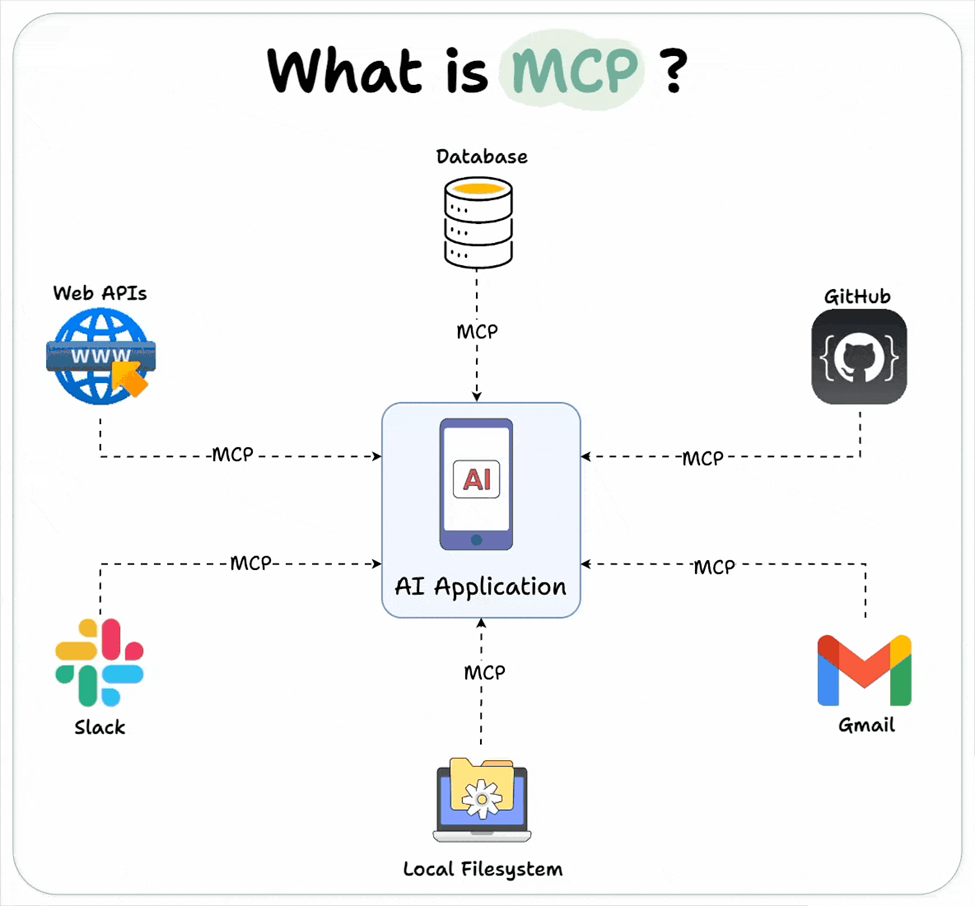
One of the key advancements enabling this transformation is the rise of custom AI models and intelligent agents that can be tailored to specific business needs. Platforms like ZBrain Model Context Protocol are making it easier for organizations to harness the full potential of AI while maintaining accuracy, security, and contextual understanding across various workflows.
The Evolution of AI: From Automation to Intelligence
The Early Days of AI
In its early stages, AI was primarily about automation—teaching machines to perform repetitive tasks faster and more accurately than humans. This included early applications like rule-based systems and robotic process automation (RPA). While these tools reduced manual labor, they lacked contextual awareness and adaptability.
See also: The Importance of Hiring a Licensed Electrician for Home Projects
AI Today: A Contextual and Cognitive Revolution
Modern AI systems, however, have evolved to become cognitive and context-aware. They can understand natural language, learn from past data, and adapt their responses dynamically. This shift has been powered by advancements in machine learning (ML), deep learning, and neural networks.
The latest generation of AI platforms integrates contextual intelligence—meaning they don’t just process data but understand it in context. This contextual awareness is what differentiates today’s AI from the static, rule-based systems of the past.
AI in Business: Real-World Applications
Intelligent Automation
AI-driven automation extends far beyond simple process repetition. Intelligent automation combines AI, ML, and business logic to make decisions autonomously. For instance, AI can process customer emails, extract relevant data, and trigger next steps like creating tickets or routing messages—all without human intervention.
Predictive Analytics
AI enables organizations to forecast trends, detect anomalies, and make proactive business decisions. Predictive analytics in industries like finance, retail, and logistics has led to significant cost reductions and performance improvements.
Personalized Customer Experiences
From e-commerce recommendations to AI-powered chatbots, businesses are leveraging AI to deliver hyper-personalized experiences. Machine learning models analyze customer behavior and preferences to predict what users want next, improving both satisfaction and retention rates.
Building Custom AI Solutions for Your Business
While generic AI tools can provide insights, enterprises increasingly need tailored solutions that align with their specific goals and workflows. This is where platforms like ZBrain Builder stand out.
What Is ZBrain Builder?
ZBrain Builder is a no-code platform that enables organizations to design, train, and deploy custom AI agents without needing deep technical expertise. Whether it’s automating data entry, analyzing contracts, or managing customer requests, ZBrain Builder helps teams rapidly prototype and scale AI-powered solutions.
Benefits of Using Custom AI Models
- Faster Deployment: Pre-built frameworks allow businesses to bring AI projects to life in days rather than months.
- Scalable Infrastructure: The platform ensures that AI models can handle enterprise-level data volumes.
- Compliance and Security: Built-in compliance tools maintain data integrity and protect sensitive information.
- Contextual Intelligence: ZBrain’s AI models are designed to understand the nuances of business operations, providing insights that are both accurate and relevant.
The Role of Context in AI Decision-Making
Context is everything in artificial intelligence. Traditional AI systems often make decisions based on isolated data points, which can lead to inaccurate or irrelevant outputs. Context-aware AI, however, incorporates environmental factors, user intent, and historical interactions into its decision-making process.
This is precisely what the ZBrain Model Context Protocol accomplishes—it ensures that every AI interaction is grounded in real-time context, enhancing accuracy and reliability. By embedding context into every query or command, organizations can create smarter, more human-like systems that adapt to evolving needs.
Overcoming Challenges in AI Adoption
Despite its promise, AI implementation isn’t without challenges. Common hurdles include:
- Data Quality and Availability: Poor-quality data can lead to unreliable outcomes.
- Lack of Expertise: Many organizations struggle with AI skill gaps.
- Integration Issues: AI tools must work seamlessly with existing IT systems.
- Ethical Concerns: Ensuring transparency and fairness in AI decision-making remains a priority.
Fortunately, AI platforms like ZBrain are addressing these challenges head-on through intuitive interfaces, no-code model builders, and compliance-focused architecture.
The Future of AI: From Insight to Action
As AI continues to evolve, the focus will shift from simply providing insights to driving autonomous action. Future AI systems will not just recommend solutions—they’ll execute them. With advancements in contextual modeling, multimodal AI, and autonomous agents, businesses can expect a future where AI handles increasingly complex operations with minimal human intervention.
Organizations that invest in contextual and adaptive AI systems today will gain a decisive competitive advantage tomorrow. Platforms like ZBrain are paving the way for this intelligent future—where technology doesn’t just assist humans but collaborates with them to drive innovation.
Conclusion
Artificial Intelligence is no longer an optional upgrade—it’s the backbone of modern enterprise transformation. As businesses seek scalable and secure AI solutions, adopting context-aware frameworks like the Model Context Protocol and leveraging no-code tools such as ZBrain Builder will be key to unlocking true operational intelligence.
The companies that harness AI not just for automation, but for contextual understanding and decision-making, will be the ones leading the next era of digital transformation.