
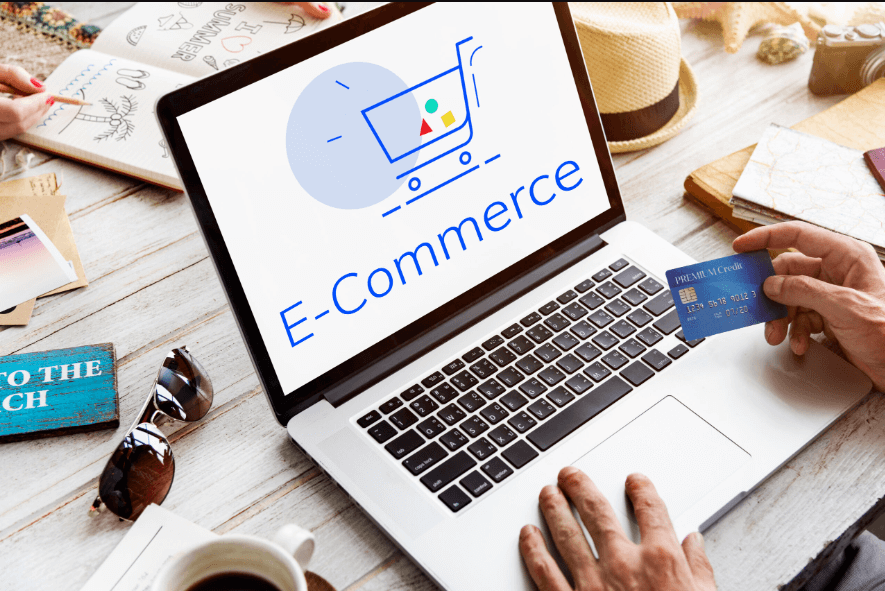
The Growing Influence of E-commerce Technology on Retail
The retail industry is undergoing a significant transformation due to e-commerce technology. Businesses are increasingly leveraging artificial intelligence to enhance customer experiences and optimize operations. Personalization strategies driven by data analysis are becoming standard practices, while innovative payment solutions facilitate smoother transactions. However, challenges such as cybersecurity threats and logistical complexities persist. Understanding how these factors interplay is crucial for retailers aiming to thrive in a competitive landscape. What strategies will emerge to address these pressing concerns?
The Rise of Artificial Intelligence in E-commerce
As the retail landscape continues to evolve, the integration of artificial intelligence (AI) in e-commerce has emerged as a transformative force, reshaping consumer interactions and operational efficiencies.
Machine learning algorithms enable retailers to analyze vast data sets, while predictive analytics enhances inventory management and demand forecasting. This synergy not only optimizes resource allocation but also empowers businesses to respond proactively to changing market dynamics, ensuring competitive advantage.
See also: The Future of Tech in Space Exploration
Transforming Customer Experience Through Personalization
Although traditional retail strategies often relied on broad demographic segments, modern e-commerce is increasingly focused on delivering personalized customer experiences that cater to individual preferences.
Utilizing algorithms for personalized recommendations, retailers can enhance engagement and drive conversions.
Additionally, dynamic pricing strategies allow businesses to adjust prices based on consumer behavior, further tailoring the shopping experience and fostering a sense of autonomy for customers.
Innovative Payment Solutions Revolutionizing Transactions
The evolution of personalized customer experiences in e-commerce has paved the way for innovative payment solutions that are reshaping retail transactions.
Mobile wallets and cryptocurrency payments are at the forefront, offering consumers flexibility and security.
Data indicates that adoption rates for these technologies are rising, as they enhance transaction efficiency and meet the demands of a freedom-seeking consumer base in the digital marketplace.
Navigating Challenges in the E-commerce Landscape
Navigating the complexities of the e-commerce landscape presents significant challenges for retailers striving to maintain competitiveness.
Logistical hurdles, such as supply chain disruptions and inventory management, complicate operations. Additionally, the increasing prevalence of cybersecurity threats necessitates robust protective measures to safeguard customer data.
Retailers must adapt proactively to these challenges, employing innovative strategies and technologies to ensure sustainable growth and customer trust.
Conclusion
As e-commerce technology continues to reshape retail, the integration of artificial intelligence, personalized experiences, and innovative payment solutions stands as a testament to progress. However, with these advancements come challenges, including logistical complexities and cybersecurity threats. Retailers must navigate this dual landscape, leveraging technology to enhance customer engagement while safeguarding data integrity. In an era defined by rapid change, the balance between innovation and trust will determine the future success of the retail industry.


