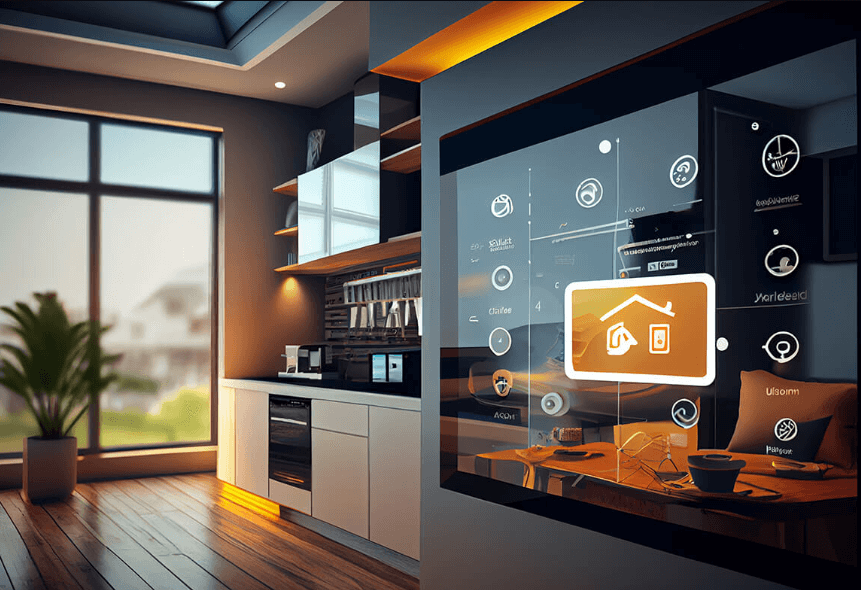
The Future of Voice-Activated Technology and Smart Homes
The integration of voice-activated technology in smart homes is poised to reshape daily routines. Enhanced voice recognition capabilities and contextual understanding are key factors driving this evolution. These advancements promise increased user autonomy and tailored experiences. However, challenges such as privacy and accessibility persist. The implications of these technologies raise critical questions about the future of home automation. What might the next generation of voice-activated systems look like, and how will they change our interactions with our living spaces?
The Rise of Voice Technology in Smart Homes
As the demand for convenience and efficiency in daily life continues to grow, the rise of voice technology in smart homes has emerged as a transformative trend.
Enhancing user experience through hands-free operation, this technology offers unparalleled accessibility.
However, it also raises significant privacy concerns, as users grapple with the implications of constant listening devices, questioning the balance between convenience and personal security in their homes.
See also: The Future of Tech in Space Exploration
Key Benefits of Voice-Activated Systems
While many homeowners seek innovative solutions to simplify their lives, voice-activated systems in smart homes offer an array of compelling benefits that enhance both convenience and functionality.
These systems feature user-friendly interfaces that allow effortless interaction. Furthermore, they provide enhanced accessibility for individuals with mobility challenges, enabling a more inclusive living environment.
Challenges and Limitations of Voice Technology
Despite the numerous advantages that voice-activated systems bring to smart homes, several challenges and limitations persist that can hinder their widespread adoption and effectiveness.
Voice recognition accuracy remains inconsistent, particularly in noisy environments or with diverse accents.
Additionally, privacy concerns loom large, as users fear unauthorized access to personal data, creating a significant barrier to trust and acceptance of such technology in everyday life.
The Future Landscape of Voice-Activated Innovations
Although voice-activated technology currently faces challenges, its future promises remarkable advancements that could transform smart homes into even more intuitive environments.
Voice recognition advancements paired with improved natural language processing will enable devices to understand context and emotions, fostering seamless interactions.
As these innovations evolve, they will empower users, enhancing autonomy and creating personalized experiences within their living spaces, ultimately redefining home automation.
Conclusion
As voice-activated technology continues to evolve, the potential for smarter, more responsive homes hangs tantalizingly on the horizon. With each advancement, the promise of intuitive interactions and enhanced user autonomy draws nearer, yet questions linger about privacy and accessibility. Will these innovations truly redefine our living environments, or will unforeseen challenges emerge to thwart our progress? The future remains uncertain, but one thing is clear: the journey toward a fully integrated smart home experience is just beginning.