The Future of Wearable Tech: What’s Coming Next?
The future of wearable technology presents significant advancements that could reshape daily life. Health monitoring devices are becoming more sophisticated, offering real-time insights into personal wellness. Meanwhile, augmented reality is poised to enhance user engagement through immersive experiences. The integration of artificial intelligence promises tailored interactions that adapt to individual needs. As biometric sensors emerge, they redefine security and convenience. The implications of these developments warrant closer examination. What transformations lie ahead for wearables?
The Rise of Health Monitoring Wearables
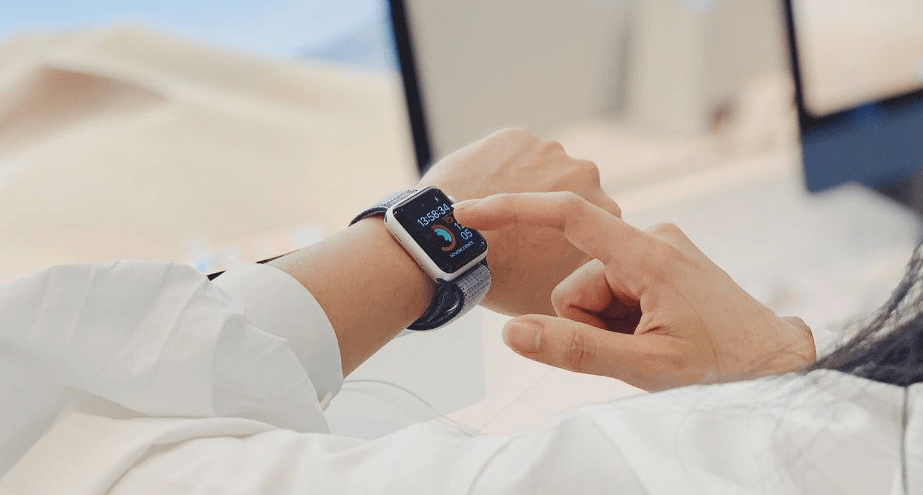
The evolution of health monitoring wearables represents a significant shift in personal healthcare management.
These devices, emphasizing fitness tracking and sleep analysis, empower individuals to take control of their well-being. By providing real-time data, they encourage informed lifestyle choices, fostering a sense of autonomy.
As technology advances, wearables become indispensable tools for enhancing health and promoting proactive self-care in an increasingly health-conscious society.
See also: The Future of Tech in Space Exploration
Augmented Reality and Its Impact on Wearable Technology
While the integration of augmented reality (AR) into wearable technology presents exciting possibilities, it also raises questions about user experience and functionality.
The emergence of virtual interfaces can enhance immersive experiences, allowing users to interact with digital content seamlessly.
However, the challenge lies in ensuring intuitive usability, balancing complexity with accessibility, and fostering a sense of freedom without overwhelming the user in this evolving technological landscape.
The Integration of Artificial Intelligence in Wearables
As wearable technology continues to evolve, the integration of artificial intelligence (AI) emerges as a transformative force, enhancing functionality and user interaction.
Smart assistants embedded within wearables provide personalized experiences, while predictive analytics enable users to anticipate their needs effectively.
This synergy not only improves convenience but also empowers individuals, offering them greater autonomy over their health and daily activities.
Biometric Sensors: The Next Frontier in Wearable Devices
With the rapid advancement of technology, biometric sensors are poised to redefine the capabilities of wearable devices.
These sensors enable biometric authentication, ensuring secure access while enhancing user convenience.
Coupled with advanced analytics, they can provide real-time health insights, empowering individuals to make informed decisions about their well-being.
This convergence represents a significant leap towards personalized and secure wearable technology for freedom-loving consumers.
Conclusion
As wearable technology continues to advance, the future promises a seamless blend of health monitoring, augmented reality, and artificial intelligence, transforming daily life into a personalized experience. Biometric sensors will usher in an era where every heartbeat is monitored as meticulously as a watchmaker fine-tunes a timepiece. This evolution not only enhances user autonomy but also fosters a deeper connection to well-being, making the once-futuristic vision of proactive health management an integral part of everyday existence.