
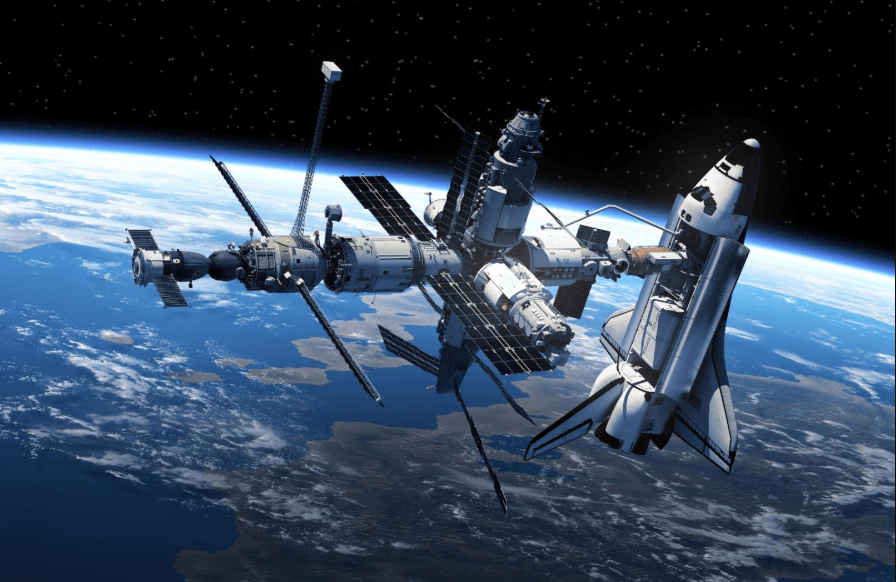
The Future of Tech in Space Exploration
The future of technology in space exploration is poised for significant evolution. Key advancements in autonomous spacecraft promise to transform mission capabilities. Meanwhile, breakthroughs in communication technologies and artificial intelligence offer enhanced navigation and decision-making. Additionally, the focus on sustainable materials addresses environmental concerns. As these elements converge, they hint at a profound shift in how humanity approaches the cosmos. What implications could this have for upcoming missions and our understanding of space?
The Rise of Autonomous Spacecraft
As space exploration becomes increasingly complex, the rise of autonomous spacecraft marks a significant evolution in the field.
These advanced vehicles leverage robotic navigation and sophisticated mission planning to operate independently, reducing human intervention.
See also: kiolopobgofi
Advancements in Communication Technologies
While the vastness of space presents unique challenges for communication, recent advancements in technology are revolutionizing how data is transmitted between Earth and spacecraft.
Quantum communication offers unprecedented security, ensuring sensitive information remains protected during deep-space missions.
Additionally, the deployment of sophisticated satellite networks enhances connectivity, enabling real-time interactions and data sharing, paving the way for a new era of exploration and discovery beyond our planet.
The Role of Artificial Intelligence in Exploration
Artificial intelligence (AI) is poised to transform space exploration by enhancing decision-making processes and operational efficiency.
Through machine learning algorithms, AI can analyze vast amounts of data, identifying patterns and insights that human operators might overlook.
This capability enables autonomous systems to navigate complex environments, optimize mission parameters, and ultimately drive humanity’s quest for knowledge beyond Earth, fostering a new era of exploration.
Innovations in Space Materials and Sustainability
Although the harsh conditions of space present significant challenges, recent innovations in materials science are paving the way for sustainable practices in space exploration.
Lightweight composites and recyclable materials are being developed to enhance spacecraft durability while minimizing environmental impact.
These advancements not only reduce launch costs but also promote a circular economy, ensuring that future missions can prioritize sustainability without compromising performance.
Conclusion
As humanity stands on the precipice of a new cosmic frontier, the confluence of autonomous spacecraft, cutting-edge communication technologies, and AI-driven exploration echoes the spirit of discovery that once propelled explorers across uncharted oceans. This technological renaissance not only promises to unravel the mysteries of the universe but also emphasizes a commitment to sustainability. Just as the Age of Exploration transformed our world, these innovations herald a future where the stars are not just destinations, but sustainable legacies.


